
Siding Replacement
Replace aging or damaged siding and address the exterior details that affect weather protection and appearance.
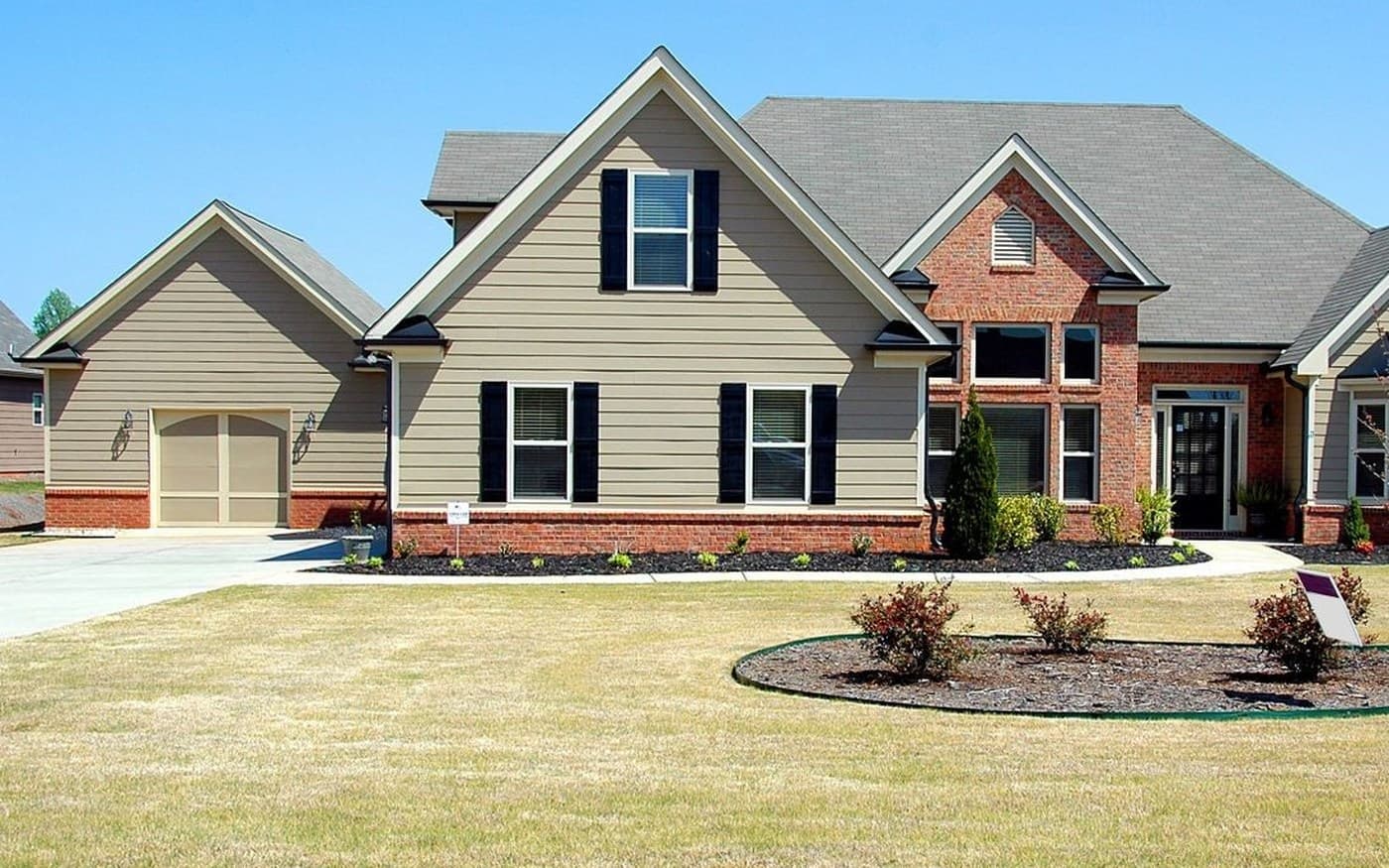
Siding projects often involve more than the visible panels. Show us the condition of the exterior and the areas you want repaired, replaced, or cleaned up.
Siding can be a finish problem, a water-management problem, or both. Show us the visible condition and the areas that concern you.
Visible panel damage, impact damage, pieces pulling away, or isolated areas that need attention.
Start with this 02Soft trim, staining, failed caulk, or signs that water may be getting behind the exterior finish.
Start with this 03The material is faded, inconsistent, patched repeatedly, or no longer gives the house the look you want.
Start with this 04Large areas are aging together and you want to evaluate a complete siding project instead of another repair.
Start with this 05Openings, trim, flashing, or adjacent siding need to be considered together.
Start with this 06Roof-edge details are damaged or visually tired and may belong in the same exterior scope.
Start with thisA damaged elevation or isolated trim problem may not require a full exterior. Widespread age, repeated repairs, or broader water-management concerns can make a larger scope more sensible.
A defined damaged area, loose panels, trim failure, or a small moisture-related repair.
Widespread aging, failing material, repeated repairs, or a full exterior appearance change.
Siding plus trim, soffit, fascia, windows, gutters, or adjacent roof work that makes sense to address together.
Siding, trim, soffit, fascia, flashing, and repairs around openings should be scoped as one weather-management system.
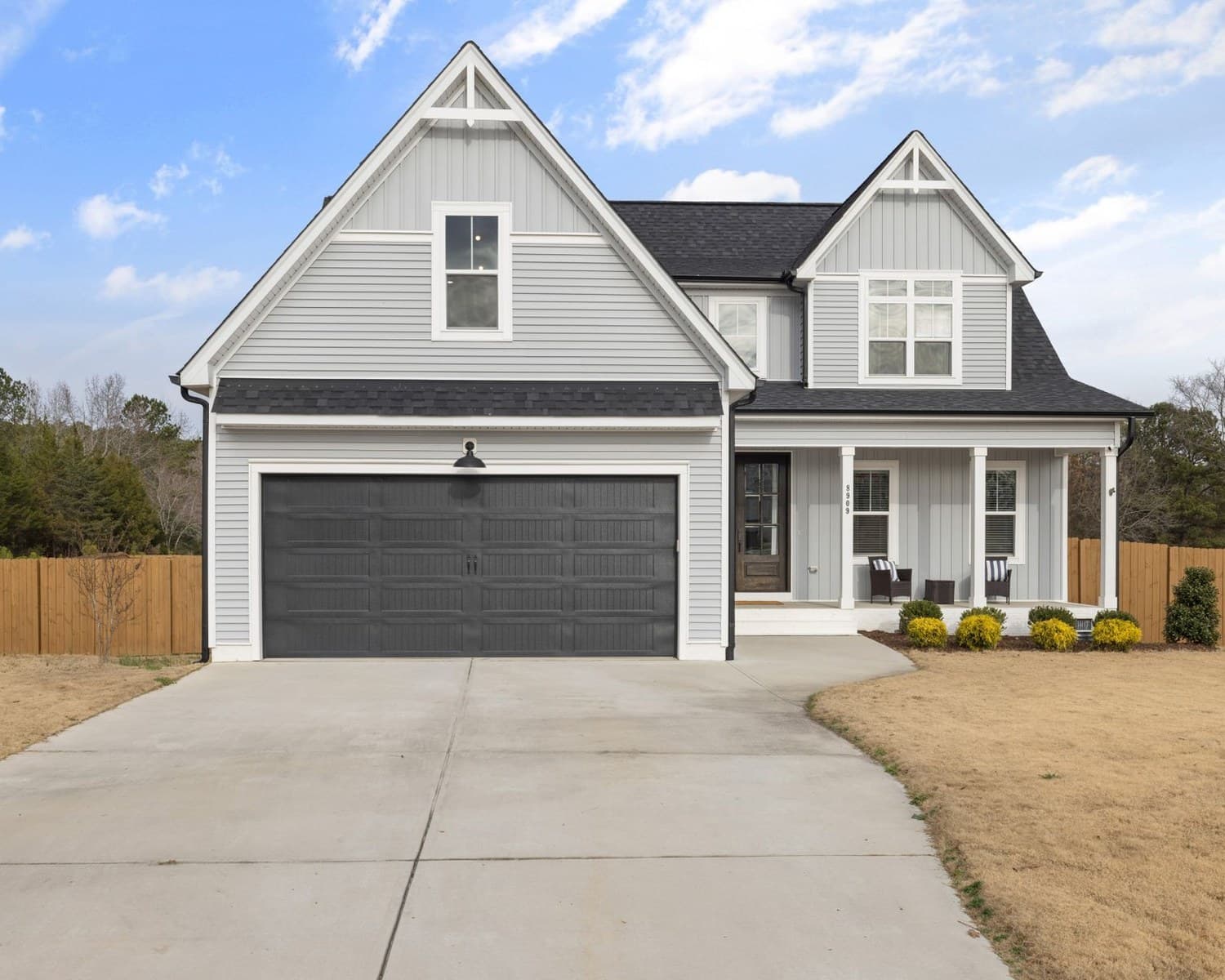
Replace aging or damaged siding and address the exterior details that affect weather protection and appearance.
Address the edges, transitions, and ventilation details that finish the siding system correctly.
Address damaged sections, penetrations, transitions, and localized issues when full replacement is not necessary.
Include windows, doors, gutters, trim, or roofing when the same exterior area needs attention.
The panels are only the visible layer. Openings, trim, flashing, and what is behind damaged areas can matter just as much.
Damage, looseness, warping, patch history, fading, and the consistency of the existing material.
Window and door trim, corner boards, transitions, and areas where failed trim can admit water.
How the siding meets windows, doors, penetrations, decks, roofs, and other interruptions in the wall.
When damaged areas are opened, the substrate or sheathing condition can affect the repair scope.
Fascia, soffit, gutters, and transitions that visually and physically connect to the siding.
How a repair or replacement will tie into adjacent elevations, colors, profiles, and existing materials.
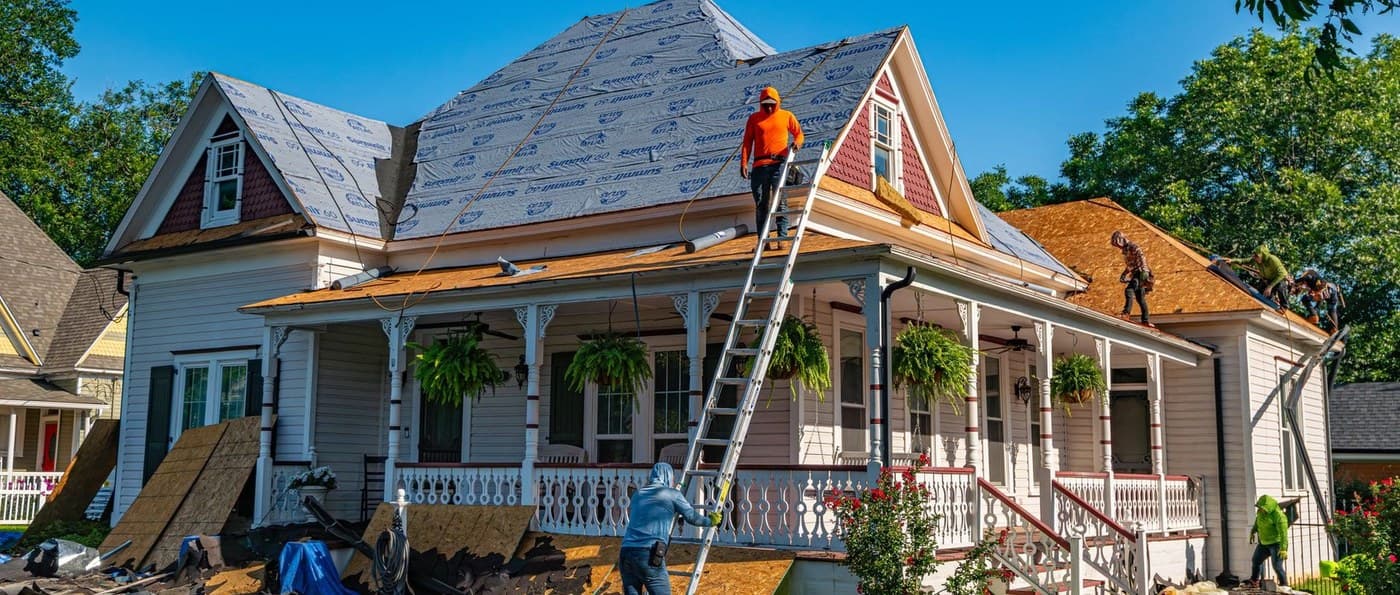
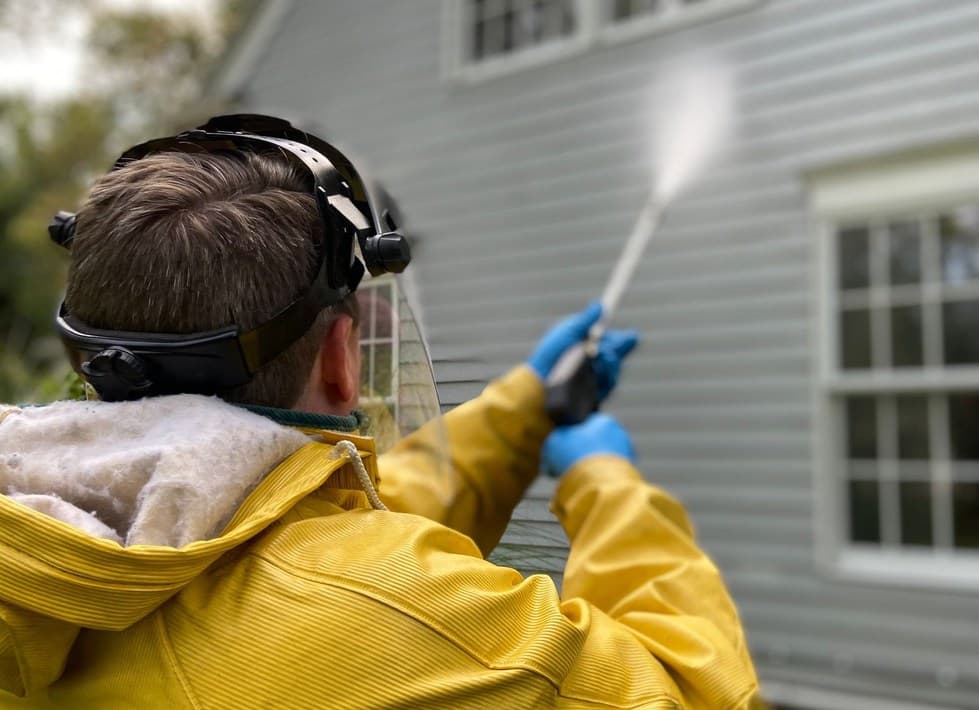
A cleaner exterior is part of the value. The more important job is managing water around openings, transitions, trim, soffits, fascia, and the wall assembly behind the finish.
Corners, openings, flashing, trim, and transitions are part of the scope, not afterthoughts.
Window, door, gutter, roof, and trim transitions are treated as part of the finished exterior.
Materials and finishes are planned together so the result does not look pieced together.
These are the details that can materially change labor, material, access, demolition, repair work, or project sequence.
Wall area, number of stories, access, and staging affect labor and material quantities.
Siding profile, trim package, color, and accessory details influence cost and lead time.
Hidden rot or damaged sheathing discovered during removal can expand the repair scope.
Openings, flashing transitions, soffit, fascia, and other exterior details shape the final scope.
Loose siding, rot, recurring water, damaged trim, or a full exterior update are all valid starting points. Show us the condition and we can define how much of the wall system belongs in the job.
The most important details often happen around windows, doors, rooflines, corners, and penetrations.
See how we run the full projectThese are the questions that usually matter before the work becomes a clear plan.
Often yes. The key is detailing the window and door transitions correctly so the weather barrier and trim remain integrated.
Yes, when both areas need work. Looking at them together can make flashing, trim, access, and exterior finish details easier to plan.
Those items can be included when they are part of the exterior scope. Their condition should be reviewed during estimating.
The right material depends on appearance, maintenance, durability, budget, existing conditions, and product availability. Specific recommendations should follow a site review.
Sometimes. It depends on the condition of the other elevations, material availability, color and profile matching, and whether a partial scope will look intentional when finished.
The damaged area should be exposed far enough to understand the condition and repaired before the exterior is closed back up. The estimate should explain how discovered damage is handled.
If windows are already planned for replacement, it can be useful to review both scopes together because flashing, trim, and exterior transitions overlap.
Photos and a short description are enough to begin deciding whether the project looks like repair, partial replacement, or a larger exterior update.
Prefer the full estimate form?Send the property ZIP and what you want repaired, replaced, or improved.
