
Active leak or ceiling stain
Water showing inside, staining, or a leak that appears during certain storms.
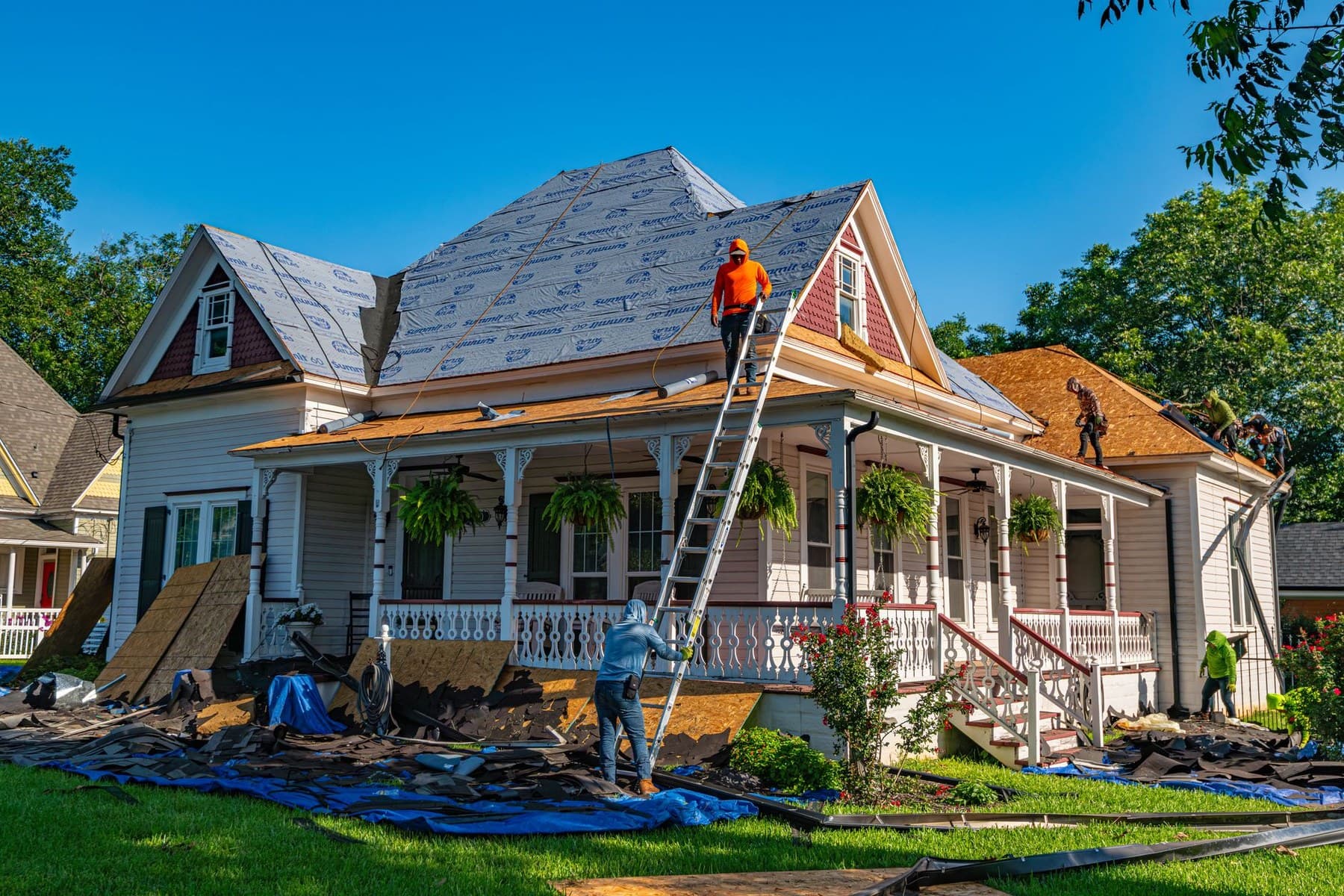 Representative service image
Roofing without the guesswork.
Leaks, worn shingles, flashing problems, and aging roofs do not all need the same answer. Show us what changed, what you can see, and when you noticed it.
Your name, property ZIP, a short description, and one contact method are enough to begin.
Send the property ZIP and what you are seeing. Photos, if available later, can help too.
You do not need to decide repair versus replacement before reaching out. Start with the symptom, the age of the roof, or the change you have noticed.
Water showing inside, staining, or a leak that appears during certain storms.
Visible shingle loss, curling, cracking, or storm-related damage.
Problems around chimneys, walls, vents, skylights, or other roof penetrations.
The roof is aging, repairs are becoming more frequent, or you want to plan before a failure.
Recent weather has left visible damage or you want the roof checked after an event.
The roofing issue may also involve gutters, fascia, soffit, or adjacent exterior details.
A localized problem may call for a targeted repair. Widespread wear, repeated failures, or broader material deterioration can point toward replacement. The first job is to understand what is actually happening.
Best when the issue is localized and the rest of the roof still appears serviceable.
Start with thisBest when wear is widespread, the roof is aging, or repairs are becoming repetitive.
Start with thisStart here if you see water, storm damage, staining, or simply do not know whether repair or replacement makes sense.
Start with this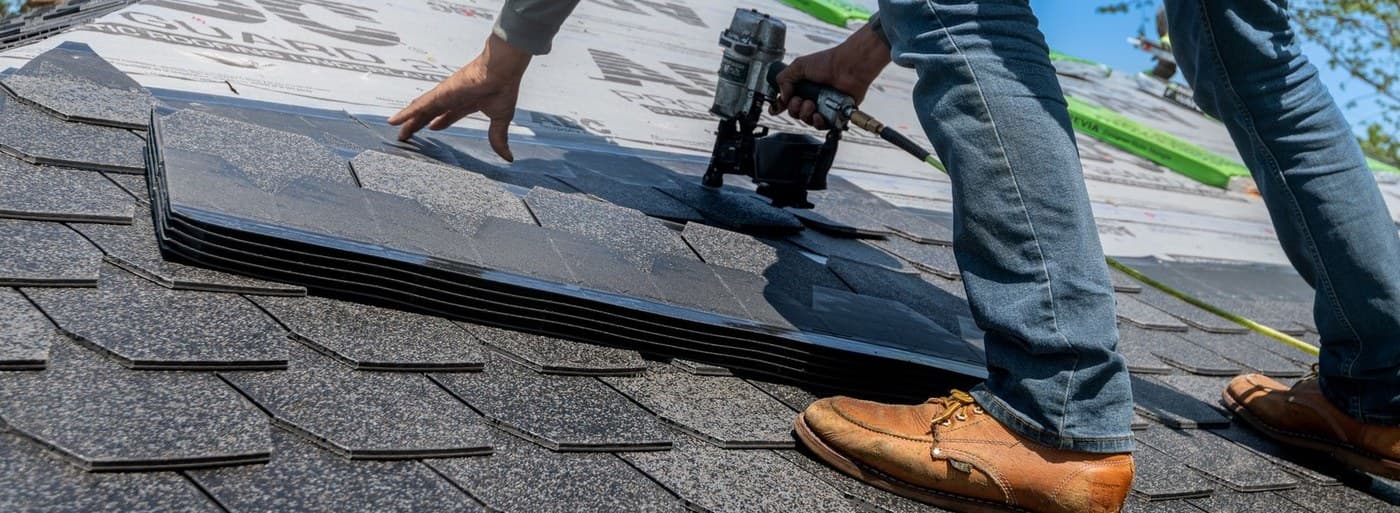 Representative service image
Roofing problems often show up in one place and start somewhere else. A useful walkthrough looks beyond the obvious symptom.
Visible wear, missing or damaged material, previous repairs, and the overall condition of the roof surface.
Transitions at walls, chimneys, vents, skylights, and other places where water has to be directed correctly.
Soft, damaged, or questionable roof decking can change the work once the existing covering is opened.
Existing intake and exhaust conditions can matter to roof performance and should be considered with the replacement scope.
Gutters, valleys, roof geometry, and discharge points can affect how water moves off the house.
Fascia, soffit, trim, and siding transitions may need attention when they directly touch the roof work.
Define the roof work first, then include gutters, fascia, soffit, flashing, or trim only when they belong in the same scope.
Tear-off, roof decking inspection, underlayment, flashing, ventilation, shingles, cleanup, and final walkthrough.
Targeted repair for leaks, damaged shingles, flashing failures, penetrations, and localized roof issues.
Details around chimneys, walls, valleys, vents, and roof ventilation that protect the full system.
Include gutters, fascia, soffit, and adjacent exterior work when it makes sense to handle it with the roof.
Shingles are only the visible layer. Flashing, drainage, ventilation, penetrations, edges, and adjacent trim determine whether the assembly keeps water moving where it belongs.
Roofing details and related exterior work are defined before the job starts.
Delivery, tear-off, debris, landscaping, and cleanup are planned around the property.
Flashing, ventilation, trim, cleanup, and final corrections matter as much as the shingles.
For Sterling roofing, the first useful distinction is whether the work is limited to the roof covering or also involves decking, flashing, ventilation, gutters, or structural repair. Loudoun County requires applicants to confirm the correct building, zoning, and property approvals before construction; roof work that extends beyond a straightforward covering replacement should be checked against that permit path.
01Loudoun County lists residential additions, decks, finished basements, renovations and alterations, garages, sheds, sunrooms, and similar construction among projects that typically require permits. For Sterling, the useful first step is defining what is changing rather than assuming every remodel follows the same review path.
02The County uses separate residential trade permits for electrical, plumbing, and mechanical work and advises applicants to check incorporated-town, HOA, conservation-easement, and property-specific requirements in addition to the County permit process.
03Loudoun County requires applicants to confirm the correct building, zoning, and property approvals before construction; roof work that extends beyond a straightforward covering replacement should be checked against that permit path.
04A useful estimate separates the visible roof covering from decking, flashing, ventilation, drainage, and adjacent trim so repair contingencies are understandable before tear-off.
These are the details that can materially change the work, labor, material, access, or project sequence.
Square footage, slope, height, and complexity change labor, staging, and material quantities.
Existing layers and any damaged roof deck discovered after tear-off can change the final scope.
Chimneys, walls, valleys, penetrations, vents, and ventilation details affect both labor and materials.
Shingle system, delivery access, landscaping protection, and disposal conditions all influence the estimate.
Your name, property ZIP, what you are seeing, and one contact method are enough to begin.
The exact schedule depends on the house and weather, but the important decisions can be made before work begins.
Know whether the estimate is for a repair, replacement, or a broader exterior scope and what is specifically included.
Some conditions cannot be fully confirmed until old roofing is removed, so the estimate should explain how discovered damage is handled.
Driveways, landscaping, entries, and work areas should be considered before material delivery and tear-off.
Flashing, vents, trim interfaces, cleanup, and a final walkthrough matter just as much as the field of shingles.
The useful answer is usually more specific than “it depends,” but the property still has to shape the final plan.
That depends on the roof age, condition, leak source, prior repairs, and how widespread the damage is. The estimate process should separate repairable issues from problems that make replacement the better long-term choice.
Yes, when they belong in the same exterior project. Their condition can be reviewed during the walkthrough and included in the estimate when appropriate.
Project duration depends on roof size, complexity, weather, material availability, and any deck repairs found after tear-off. The schedule should be confirmed with the final scope.
Material recommendations should be based on the property, budget, desired appearance, and product availability. Specific brands and systems should be confirmed in the estimate rather than promised generically online.
Often, yes, when the source is localized and the surrounding roof remains serviceable. The condition of the surrounding material, flashing, decking, and the history of prior repairs all matter.
That condition should be documented and addressed before the new roofing goes over it. The estimate should explain how unforeseen decking repairs are handled so the process is clear before tear-off begins.
Not automatically. If the gutters are functioning well, they may stay. If they are damaged, poorly draining, or directly affected by fascia and roof-edge work, it can make sense to review them with the roofing scope.
Permit requirements depend on the exact work and property. Loudoun County requires applicants to confirm the correct building, zoning, and property approvals before construction; roof work that extends beyond a straightforward covering replacement should be checked against that permit path. We confirm the project-specific path from the actual scope rather than promising a blanket yes or no online.
A leak, missing shingles, visible wear, storm damage, or simply the age of the roof is enough to begin the conversation. If the property is in Sterling or a nearby area we serve, send the basics and we can start from there.